Radio audience measurement is changing rapidly. Traditional audience diaries and recall-based methods no longer provide te precision needed for FM, DAB+, IP, or hybrid distribution. Ipsos Audio Watermarking modernizes this process by embedding inaudible codes directly into the program audio and combining them with passive audio fingerprinting. This creates continuous, real-time tracking of audiences across all platforms, without any action required from the listener.
System Architecture and Operation
Ipsos Audio Watermarking, also known as encoding, inserts an inaudible digital watermark into the program signal during production or processing. Each watermark contains key metadata, such as timestamp, program name, service ID, and the distribution platform (e.g. FM, DAB+, IP-stream).
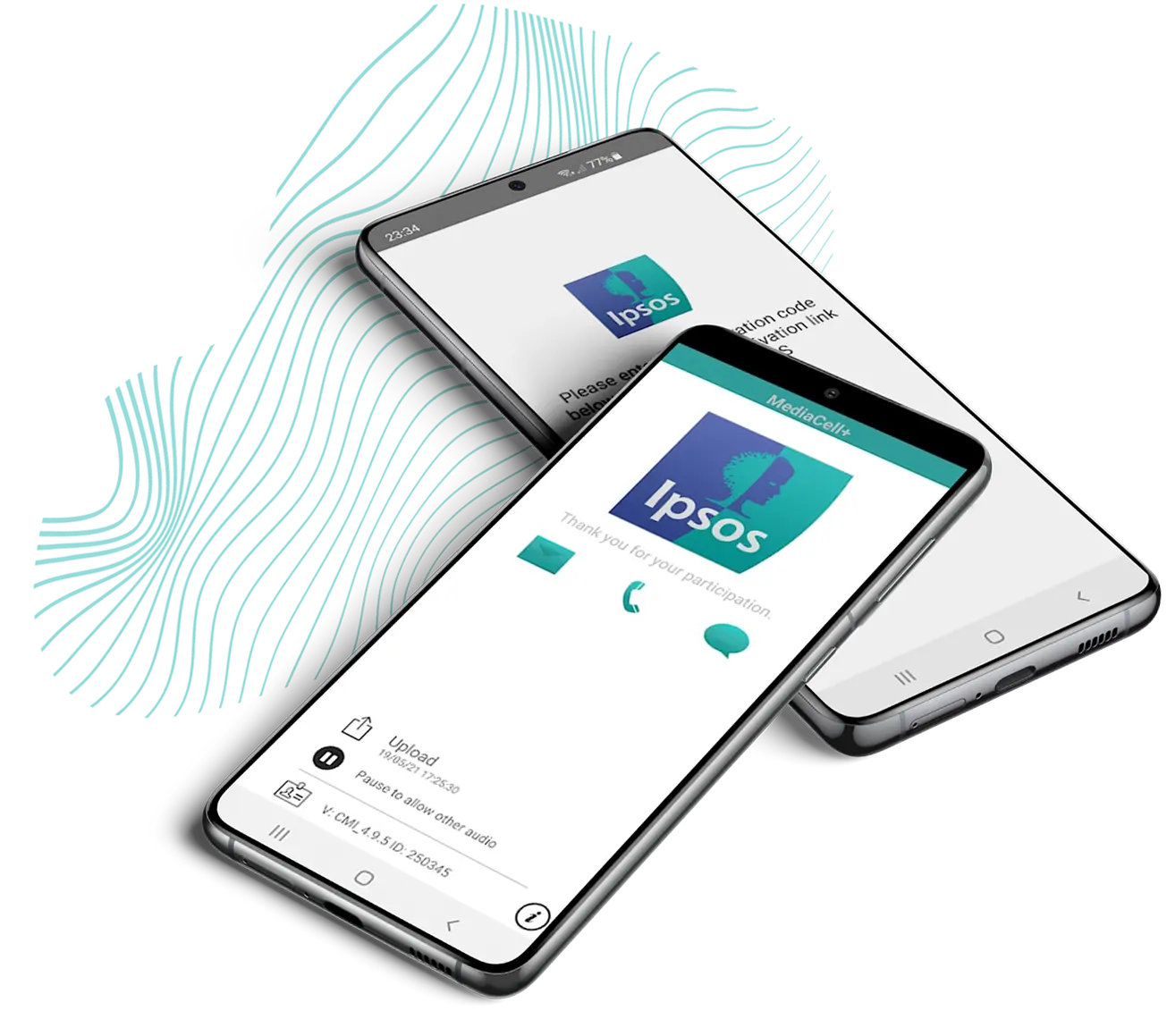
When someone listens through the MediaCell+ ap, the app automatically detects the watermark. If no watermark is present, audio fingerprinting is used. In this process, a short audio fragment is compared against a database of broadcast programs to identify the correct channel and program. Watermarking and fingerprinting work together to ensure reliable measurements, regardless of signal path, codec or environment.
Reliability and Data Quality
By combining watermarking and fingerprinting, the measurement system remains highly reliable. Watermarking provides precise frame-level metadata, while fingerprinting ensures continuity when watermarks are lost due to processing or low-bitrate encoding. This allows approximately 97% of all listening events to be accurately recorded and almost all audiences can be included in reports. Broadcasters and media agencies gain detailed insights into platform usage, reach, program preferences, and advertising effectiveness.
Technical Considerations and Studio Integration
Although the technology is mainly software-based, the studio and transmission chain play a crucial role in maintaining reliable watermarking. Triple Audio supports broadcasters to ensure watermarks are preserved throughout all processing steps, without audible quality loss or deviations in loudness.
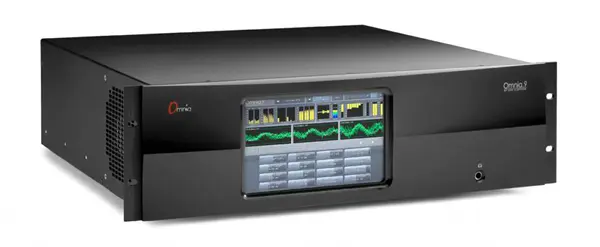
Zo kan bijvoorbeeld de Omnia.9 van Telos Alliance met een optionele uitbreidingslicentie watermerken genereren en doorgeven. Daarnaast moeten AoIP-mixers, monitoringsystemen en audio-interfaces correct worden ingesteld om faseproblemen, multibandcompressie of formatconversies die de detectie kunnen verstoren te voorkomen. Een goed ontworpen keten blijft toekomstbestendig en volledig compatibel met moderne luistermetingen.
Technical Advice and Support
Do you have a question about the technology or want to explore all possibilities? We are happy to advise and support you in understanding, implementing and making the most of Ipsos Watermarking for your studio.